
Seen something unusual? MAKE A REPORT
Seen something unusual? MAKE A REPORT

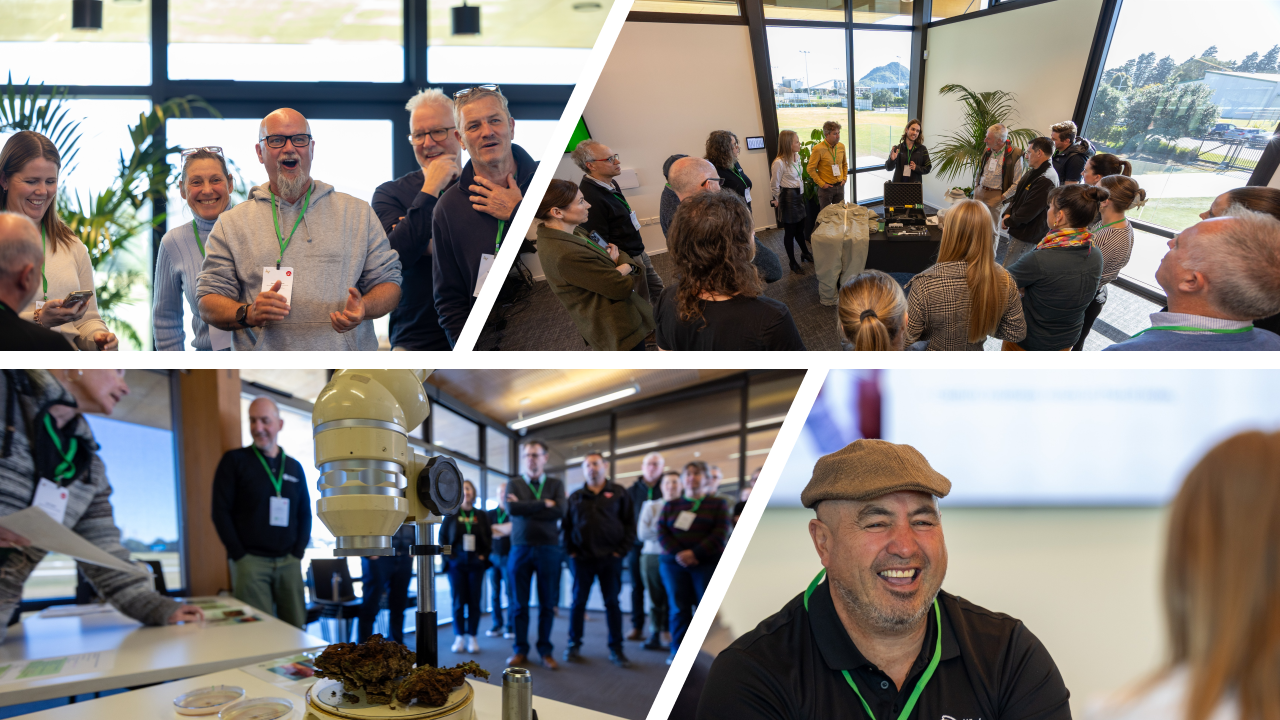
Around 100 growers, post-harvest representatives, researchers, government partners and biosecurity professionals came together at Bay Oval last week for the 2026 KVH Biosecurity Symposium, united by a shared goal of keeping the New Zealand kiwifruit industry prepared for future biosecurity threats.
Held every two years, this year's event focused on the theme Staying ahead of the invasion curve, highlighting the importance of proactive readiness, rapid response and strong collaboration across the industry and our biosecurity system.
The programme featured a strong line-up of New Zealand and Australian guest experts sharing lessons from real-world incursions, emerging threats, surveillance programmes, research initiatives and response experiences.
Highlights included John Kean from the Bioeconomy Science Institute (BSI) and Andrew Robinson from the Centre of Excellence for Biosecurity Risk Analysis (CEBRA) in Melbourne presenting a new science-based approach to optimising biosecurity surveillance for the kiwifruit industry, designed to strengthen early detection of exotic pests and diseases.
Attendees also heard from Scott Sinclair from Biosecurity New Zealand on yellow-legged hornet detection tools and surveillance operations, Leanne Erakovic from the Australian Banana Growers’ Council on the global challenge of Panama disease TR4 in bananas, Aaron Dodd from the Australian Department of Agriculture, Fisheries and Forestry on their evolving approach to brown marmorated stink bug surveillance, and Dr Jon Sullivan from Lincoln University on lessons learned from 25 years of wild kiwifruit control.
Research and innovation were a major focus, with Rebecca Burns outlining Zespri Innovation's approach to building biosecurity readiness across high-risk threats, generic readiness and emerging risks, while Beccy Ganley spoke to research from Better Border Biosecurity and BSI exploring how new technologies and targeted research can help strengthen New Zealand's biosecurity system.
Day two saw participants take part in an interactive Fruit Fly Council workshop, testing how the horticulture sector would maintain supply chains during a fruit fly incursion. The exercise explored the impacts of movement controls and export restrictions, while identifying opportunities to further improve preparedness across the industry.
Thank you to everyone who attended and contributed to making this year's Symposium such a valuable event. It was a fantastic opportunity to share knowledge, strengthen connections across the biosecurity network, and reinforce the readiness needed to protect New Zealand's kiwifruit industry from exotic threats.
A special thank you to our event sponsors, without whom we would not have been able to offer the Symposium. Thank you to Horticentre Charitable Trust; the Bioeconomy Science Institute; Zespri; NZKGI; Onside; Fruitfed Supplies; and the Port of Tauranga for the support and presence throughout the event.
See images from the event here. We’ll also have a more extensive article about the Symposium in the next issue of the Kiwifruit Journal.
KVH investigates reports of unusual symptoms to identify and manage any biosecurity risks.