
Seen something unusual? MAKE A REPORT
Seen something unusual? MAKE A REPORT
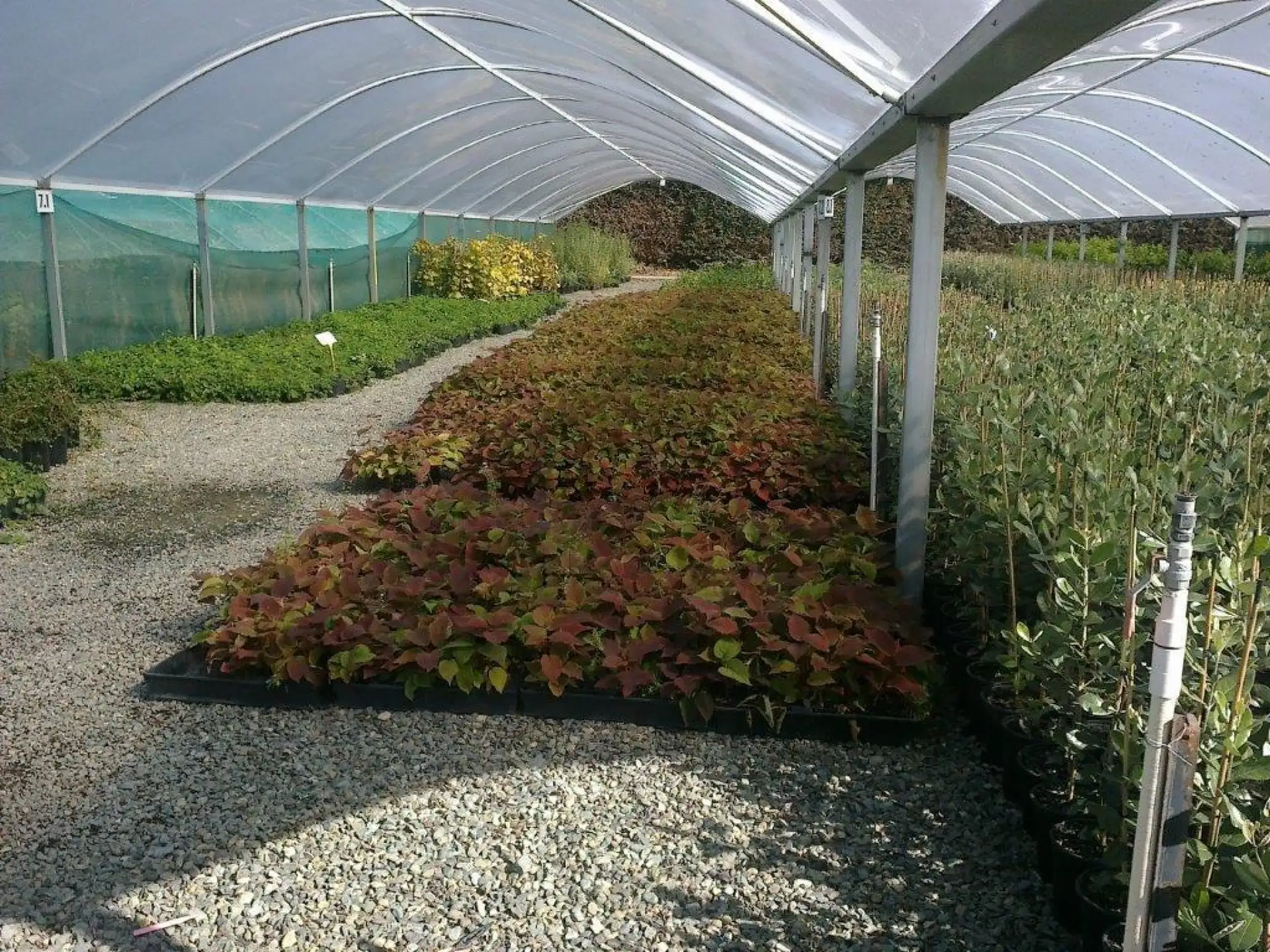
The movement of orchard plants to orchards where Psa is not detected, and to the South Island, is strictly prohibited or restricted.
05/10/2026
As pollination season gets underway, KVH reminds growers and beekeepers that any movement of beehives across Cook Strait for use in kiwifruit orchards or nurseries requires prior KVH authorisation. The Cook Strait remains an important biosecurity barrier between the North and South Islands. Because the South Island remains free of Psa-V, controls are in place to help prevent the spread of the pathogen through pollination-related activities, including the movement of beehives. Before moving hives across Cook Strait: Contact KVH at least seven days before the proposed movement to obtain authorisation. Where hives have been used on North Island kiwifruit orchards, a minimum 10-day stand-down period is recommended at a North Island location outside kiwifruit growing regions before moving south. Ensure hives, pallets, machinery, vehicles, tools, equipment and footwear are free of kiwifruit plant material and debris and sanitised using a KVH-approved sanitiser. Contractors without a Zespri CAV must complete a Non-CAV Contractor Biosecurity Plan before entering orchards. Growers also have a role to play by confirming where pollination hives are coming from, ensuring biosecurity requirements have been met, and reporting any unusual symptoms in their orchards to KVH immediately. These requirements are part of the Biosecurity (National Kiwifruit Pathway Management Plan) Order 2022, with compliance helping protect the South Island and the wider industry from Psa-V. Non-compliance with plan rules may constitute an offence under the Biosecurity Act 1993.
Read more about Moving beehives across Cook Strait for pollination?05/10/2026
A significant milestone for New Zealand’s biosecurity system was recognised last week when the yellow-legged hornet response received the Innovation Award at the Spirit of Service Awards. The awards recognise initiatives that deliver outstanding outcomes for New Zealand, and the Innovation Award acknowledges the response’s use of advanced technology, large-scale field operations and strong community partnerships. KVH is proud to be part of the response alongside Biosecurity New Zealand. The award is a testament to the collective efforts of everyone involved, including SPS Biota, UK technical experts, local communities, beekeepers, growers, iwi, industry personnel (including teams from APAC, Punchbowl and Trevelyan’s), contractors and response staff who have contributed their expertise, time and commitment throughout the programme.
Read more about National award recognises hornet response05/10/2026
Bird flu (H5N1) has now reached New Zealand, making awareness and preparedness more important than ever. Tauranga Moana Biosecurity Capital and Te Tira Whakamātaki are hosting a free webinar with experts from the Ministry for Primary Industries, Department of Conservation, Health New Zealand and Bay of Plenty Regional Council. Learn about the current response, risks to wildlife, animals and people, what to do if you find a sick or dead bird, and how agencies are preparing. Join the conversation next Thursday 15 October, 1.00pm – 2.00pm. Register now and receive your calendar invite
Read more about Understanding our response to bird flu27/10/2021
Pūkeko can sometimes become a nuisance in kiwifruit orchards, particularly when bird numbers are high. Growers have reported damage from birds entering the canopy and snipping off new shoots in spring, feeding on ripening fruit before harvest, or pulling out and damaging young plants and seedlings. Before taking any action, it's important to confirm that pūkeko are causing the damage. Pūkeko are partially protected and are valued by many New Zealanders. Control can also be challenging where orchards are located near wetlands, damp pasture, waterways, or urban areas that provide ideal habitat. If pūkeko are causing ongoing problems in your orchard, consider the following management options: Use bird-scaring techniques such as occasional bird-scare blasts, pyrotechnics, or other approved deterrents to encourage birds to move away from the orchard. Consider bird repellent products where appropriate. Always follow label instructions and any restrictions relating to timing and application rates. Population control may be possible during the game bird hunting season, provided all Fish & Game regulations and firearm safety requirements are followed. Outside the hunting season, a permit from Fish & Game is required before any control activities can occur. Netting may provide a longer-term solution where pūkeko pressure is persistent and causing significant crop losses. Growers should ensure any management actions comply with relevant wildlife, firearms, and health and safety regulations.
Read more about Managing pūkeko in kiwifruit orchards28/09/2026
KVH is at post-harvest field days engaging with growers and distributing a spring flyer with advice for biosecurity risk management over the coming months. The flyer can be downloaded here and main topics covered include: kiwifruit trunk diseases and sanitisers,expansion of surveillance trapping networks,yellow-legged hornet, brown marmorated stink bug, and exotic fruit fly updates.
Read more about Spring flyer22/09/2026
KVH recently attended the latest Programme Advisory Committee (PAC) meeting for the Protecting Aotearoa from wind-dispersed pests research programme, led by the Scion group at the Bioeconomy Science Institute (BSI). The programme aims to strengthen New Zealand's biosecurity system by developing tools to predict when insects and plant pathogens may arrive and spread via wind-assisted pathways. KVH is one of several industry organisations represented on the PAC, alongside members from government, research organisations, regional councils, and other primary sector groups. The PAC helps ensure the knowledge generated by the programme is translated into practical outcomes and provides guidance on research priorities, communication pathways, and end-user needs. At the recent meeting, researchers shared progress on understanding how insects and pathogens survive long-distance atmospheric transport, improving models that predict pest movement, and analysing intercepted insects to better understand where they originate. The overall aim of the programme is to develop the Aerobiological Surveillance and Prediction System (ASaP), an early warning tool designed to identify periods and locations of increased risk for wind-borne pest arrivals, helping improve surveillance of this pathway. For the kiwifruit industry, this research has the potential to improve preparedness and support more targeted surveillance for offshore pest and disease threats. As climate patterns continue to change, understanding how wind-assisted pathways influence pest movements will become increasingly important for protecting New Zealand's horticultural industries and natural environments. Visit the programme website or sign up for their biannual newsletter, Blown Away.
Read more about Protection from wind-dispersed pests23/09/2026
Trunk cankers and exudates, uneven budbreak, and leader or cane dieback are some of the reports recently brought to KVH's attention through the unusual symptoms process. Orchard visits have helped identify where trunk disease is occurring and how extensive it is. Diagnostic sampling has also helped confirm the fungal pathogens associated with some of these symptoms, supporting growers with management decisions. Not all unusual symptoms are caused solely by pathogens. Patchy or poor budbreak can also be linked to poor root health caused by waterlogging, soil compaction or insufficient water during very dry periods. Other factors such as planting too deeply, placing compost too close to vine trunks, and allowing grass and weeds to grow around trunks can also contribute to poor vine health and vine failure. Research which has identified several fungal pathogens associated with different trunk disease symptoms is available on the KVH website and Zespri Canopy. Unusual vine symptoms can be reported to KVH online or by phoning 0800 665 825. See images from recent reports
Read more about Unusual vine symptoms: not always pathogens23/09/2026
Zespri is looking for orchards with high or unusual Psa symptoms to take part in this year's Psa resistance monitoring programme. The programme helps detect changes in copper and bactericide resistance, along with any shifts in Psa strains. Suitable orchards include those with unexpected Psa outbreaks despite a good spray programme, or with severe Psa symptoms that are not responding to management. Green, Gold, or Red orchards from any region will be considered. Contact Zespri to participate
Read more about Orchards for 2026 Psa monitoring programme21/09/2026
From now through to autumn, New Zealand enters the highest-risk period for two of the kiwifruit industry’s most unwanted biosecurity threats, exotic fruit flies and brown marmorated stink bug (BMSB). The high-risk season typically runs from September through to May, when warmer temperatures, increased international trade pathways, and higher numbers of international visitors heightens the likelihood of these pests arriving in New Zealand. Exotic fruit flies remain the kiwifruit industry’s number one biosecurity threat due to the severe market access impacts they could cause. BMSB is one of the highest-priority pests for kiwifruit, capable of damaging fruit and affecting production if it were to establish here. The 2026/27 season marks 10 years of New Zealand’s BMSB programme, highlighting a decade of investment in keeping this significant pest out of the country. Key activities planned for this season include: Increased scrutiny of Italian ceramic and tile imports following detections associated with these products in Australia. More verification inspections of full containers that have undergone offshore cleaning or other approved treatment systems. Uzbekistan is expected to be reclassified as a full BMSB-risk country, with containers arriving from the country continuing to undergo verification checks. Continued awareness activities targeting international air passengers. Officers will focus on travellers arriving from the United States, Canada, and Japan, providing information on BMSB and what to do if a suspect bug is found in luggage or personal belongings. New Zealand remains free of both pests, but ongoing vigilance is critical. Keep an eye out for anything unusual on-orchard, check pest ID resources with staff and contractors, and report any suspect insects, damage, or symptoms immediately. Early detection gives us the best chance of stopping a pest before it can establish. If something doesn’t look right, don’t wait. Contact KVH or the Biosecurity New Zealand hotline 24/7 on 0800 665 825. Order pest ID resources
Read more about High-risk season is here: our most unwanted pests are on the move21/09/2026
An upcoming webinar may be of interest to growers keen to learn more about the human factors that influence biosecurity action and the role orchard biosecurity plans play in strengthening New Zealand's biosecurity system. A new Better Border Biosecurity (B3) research project is exploring how to improve biosecurity engagement across New Zealand by addressing challenges such as complacency and strengthening social licence for biosecurity initiatives. One of the project's first-year case studies focuses on the implementation of biosecurity plans on kiwifruit orchards, examining how growers understand and apply biosecurity practices in their day-to-day operations. The findings give insights into what growers are doing well and where challenges remain; how biosecurity behaviours are influenced by practical orchard realities; and opportunities to improve preparedness for future pest and disease incursions. The webinar will also share insights from case studies on community readiness planning and Māori engagement in pollination services, providing a broader view of how biosecurity is supported across sectors and communities. Date: Thursday, 1 October 2026 Time: 11:00 am - 12:00 pm Where: Online (Microsoft Teams) RSVP: Register here
Read more about Join the conversation: importance of orchard biosecurity plans21/09/2026
The response to eradicate the yellow-legged hornet in Auckland has entered a crucial stage, with warmer spring weather increasing the risk of any surviving queens emerging from winter. Since the response began, 77 queens and 133 nests have been destroyed, and no hornets have been detected since April. Biosecurity New Zealand is now increasing surveillance, trapping, and monitoring efforts across Auckland during this high-risk period. While progress is encouraging, we continue to urge growers to remain vigilant and report any suspected yellow-legged hornets or nests immediately. More than 18,000 public reports have contributed to the response so far. The yellow-legged hornet is a significant threat to honeybees and pollinators. KVH continues to work closely with Biosecurity New Zealand and other industry groups to minimise risk to New Zealand growers and exporters and ensure all response activities are in the interests of kiwifruit growers being able to maintain access to sufficient levels of pollination services in future seasons. If eradication is successful and no further hornets are found during ongoing surveillance, New Zealand will be able to declare the pest eradicated in line with international standards. Suspected sightings can be reported to Biosecurity New Zealand online or by calling the hotline on 0800 80 99 66. Regular updates and resources are available on the KVH website, including: How to ID a hornet: poster How to look for hornets and their nests on your property: video How to make a homemade hornet trap: fact sheet
Read more about Yellow-legged hornet response enters critical spring phase21/09/2026
New Zealand’s border biosecurity systems continue to deliver strong protection against unwanted pests and diseases, with the latest monitoring results showing high levels of compliance across both international air passengers and mail. Latest figures from Biosecurity New Zealand show during 2025/26, passenger compliance reached 98.92%, exceeding the target of 98.5%. More than 11,000 passengers and crew were surveyed at Auckland, Wellington, Christchurch and Queenstown airports, with only 119 people found carrying undeclared biosecurity risk goods. International mail also performed well, achieving a 99.73% compliance rate, comfortably above the 99% target. Of the 3,628 mail items sampled after screening, only 12 contained non-compliant risk goods, including seeds, plant, animal, and bee products. With more than 11.7 million international mail items arriving in New Zealand during the year, the latest results provide reassurance that our border biosecurity controls remain robust and effective in reducing the risk of pests and diseases entering the country. Read The Border Space article
Read more about Border biosecurity controls perform stronglyWhile most kiwifruit plant movements come from nurseries, growers may occasionally move mature plants between orchards. This protocol outlines how to reduce the risk associated with these movements of spreading new forms of Psa and other biosecurity threats, and to meet your obligations under the National Kiwifruit Pathway Management Plan.
The movement of plant material presents the highest risk of spreading Psa and other kiwifruit pathogens. Presently there is no effective way to ‘clean’ infected material of Psa or guarantee that material is free of other pathogens.
All other orchard plants are required to meet Pathway Management Plan rules before being moved. Certification is a simple means to demonstrate compliance.
Complete the KPCS Orchard Plant Manual documenting how the requirements will be met.
Complete orchard monitoring and record in manual.
Complete any testing requirements (Not Detected orchards must do a Psa test).
Submit manual to KVH once the above is complete to achieve certification (plants must not move off the orchard until certification has been achieved).
Maintain records and be audited to confirm compliance.
Information
Download and complete the Orchard Plant Standard Manual here, documenting how the requirements will be met.
Submit the completed manual to KVH by emailing [email protected]. This needs to be done well in advance of the movement occurring to ensure risk is appropriately managed.
KVH will issue approval once we are satisfied requirements are met, which may involve an on-site audit.
Maintain records and be audited to confirm compliance.
Forms
Useful templates
KVH investigates reports of unusual symptoms to identify and manage any biosecurity risks.
05 Oct 2026
As pollination season gets underway, KVH reminds growers and beekeepers that any movement of beehives across Cook Strait for use in kiwifruit orchards or nurseries requires prior KVH authorisation. The Cook Strait remains an important biosecurity barrier between the North and South Islands. Because the South Island remains free of Psa-V, controls are in place to help prevent the spread of the pathogen through pollination-related activities, including the movement of beehives. Before moving hives across Cook Strait: Contact KVH at least seven days before the proposed movement to obtain authorisation. Where hives have been used on North Island kiwifruit orchards, a minimum 10-day stand-down period is recommended at a North Island location outside kiwifruit growing regions before moving south. Ensure hives, pallets, machinery, vehicles, tools, equipment and footwear are free of kiwifruit plant material and debris and sanitised using a KVH-approved sanitiser. Contractors without a Zespri CAV must complete a Non-CAV Contractor Biosecurity Plan before entering orchards. Growers also have a role to play by confirming where pollination hives are coming from, ensuring biosecurity requirements have been met, and reporting any unusual symptoms in their orchards to KVH immediately. These requirements are part of the Biosecurity (National Kiwifruit Pathway Management Plan) Order 2022, with compliance helping protect the South Island and the wider industry from Psa-V. Non-compliance with plan rules may constitute an offence under the Biosecurity Act 1993.
Read more about Moving beehives across Cook Strait for pollination?05 Oct 2026
A significant milestone for New Zealand’s biosecurity system was recognised last week when the yellow-legged hornet response received the Innovation Award at the Spirit of Service Awards. The awards recognise initiatives that deliver outstanding outcomes for New Zealand, and the Innovation Award acknowledges the response’s use of advanced technology, large-scale field operations and strong community partnerships. KVH is proud to be part of the response alongside Biosecurity New Zealand. The award is a testament to the collective efforts of everyone involved, including SPS Biota, UK technical experts, local communities, beekeepers, growers, iwi, industry personnel (including teams from APAC, Punchbowl and Trevelyan’s), contractors and response staff who have contributed their expertise, time and commitment throughout the programme.
Read more about National award recognises hornet response05 Oct 2026
Bird flu (H5N1) has now reached New Zealand, making awareness and preparedness more important than ever. Tauranga Moana Biosecurity Capital and Te Tira Whakamātaki are hosting a free webinar with experts from the Ministry for Primary Industries, Department of Conservation, Health New Zealand and Bay of Plenty Regional Council. Learn about the current response, risks to wildlife, animals and people, what to do if you find a sick or dead bird, and how agencies are preparing. Join the conversation next Thursday 15 October, 1.00pm – 2.00pm. Register now and receive your calendar invite
Read more about Understanding our response to bird flu